Soil compaction is a common challenge that plagues modern agriculture, affecting soil health, crop productivity, and long-term sustainability. Traditional farming practices, heavy machinery, and repeated fieldwork have contributed to the degradation of soil structure. Fortunately, the advent of drone technology is offering a promising solution to this pressing issue. In this blog post, we will delve into how drones are revolutionising agriculture by minimising soil compaction and fostering healthier, more resilient soils.
Light Footprint Farming:
One of the primary advantages of using drones in agriculture is their light footprint. Unlike traditional heavy machinery, drones exert minimal pressure on the soil surface. This reduced weight helps prevent soil compression and compaction, preserving the natural structure and pore spaces within the soil. By minimizing compaction, drones contribute to improved water infiltration, root penetration, and overall soil aeration.
Precision Application:
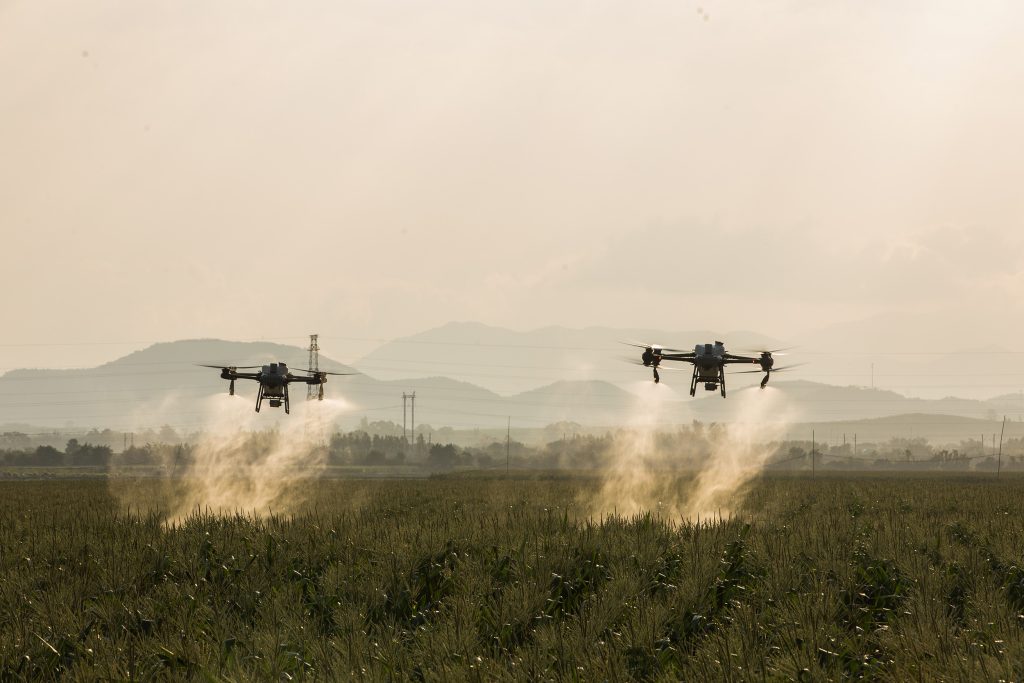
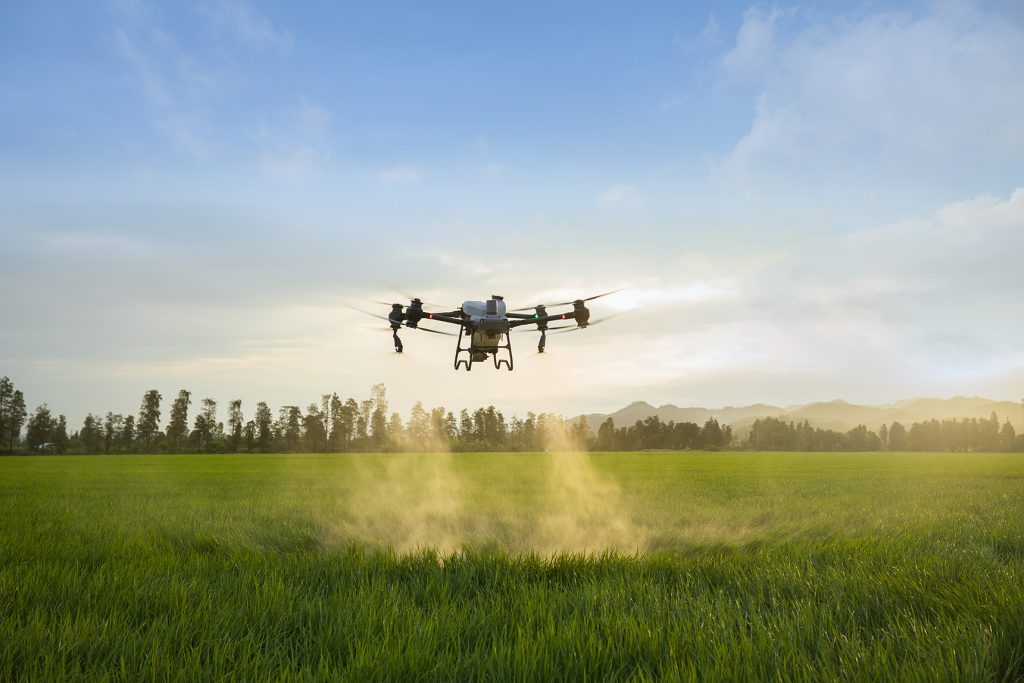
Drones equipped with advanced spraying and seeding technology enable precise and targeted application of fertilizers, pesticides, and seeds. This accuracy ensures that inputs are distributed only where needed, eliminating the need for unnecessary passes over the field. As a result, the soil experiences less disturbance, reducing the risk of compaction caused by heavy equipment and repetitive tractor movements.
Controlled Traffic Systems:
Drones are instrumental in implementing controlled traffic systems (CTS) in agriculture. CTS involves restricting the movement of heavy machinery to designated pathways, thereby confining soil compaction to specific areas. Drones play a pivotal role in creating and maintaining these pathways, reducing compaction in the majority of the field. This approach enhances soil structure and preserves its fertility over time.
Site-Specific Analysis:
Drones equipped with various sensors and imaging technologies gather detailed data about soil properties, moisture levels, and topography. This data aids in site-specific analysis, allowing farmers to tailor their cultivation practices to different areas of the field. By applying the right amount of water, nutrients, and other inputs based on the soil’s unique characteristics, farmers can prevent overworking the soil and minimize compaction.
No-Till and Reduced Tillage Practices:
Drones complement no-till and reduced tillage practices by providing a means of precise planting and seeding without disrupting the soil. By minimizing soil disturbance, these practices maintain soil structure, promote organic matter accumulation, and enhance microbial activity. Drones play a crucial role in transitioning to more sustainable cultivation methods that prioritize soil health.
Increased Crop Resilience:
Healthy soil is essential for supporting resilient crops that can withstand environmental stressors. Drones’ ability to minimize soil compaction contributes to creating optimal growing conditions. Enhanced root penetration and water infiltration lead to stronger root systems, better nutrient uptake, and improved overall crop health. This, in turn, translates to higher yields and greater agricultural sustainability.
Drones are ushering in a new era of sustainable agriculture by addressing the critical issue of soil compaction. Through their light footprint, precision application, controlled traffic systems, and support for no-till practices, drones are actively contributing to healthier soils and more resilient crop ecosystems. As farmers increasingly embrace drone technology, the potential to reduce soil compaction and enhance long-term soil health becomes a reality, fostering a more sustainable and productive future for agriculture.