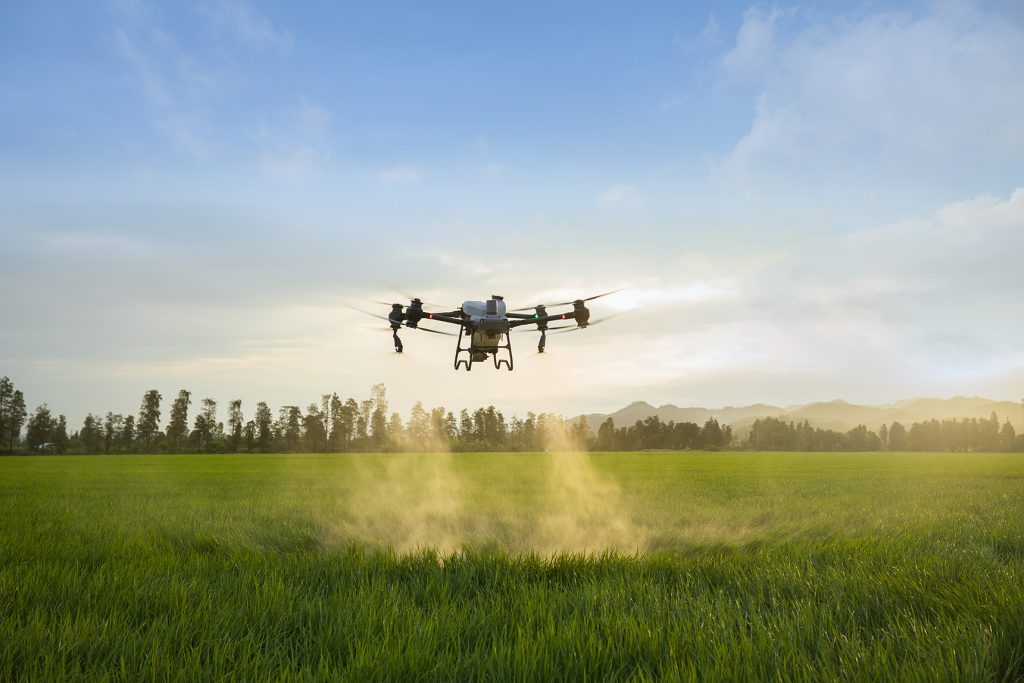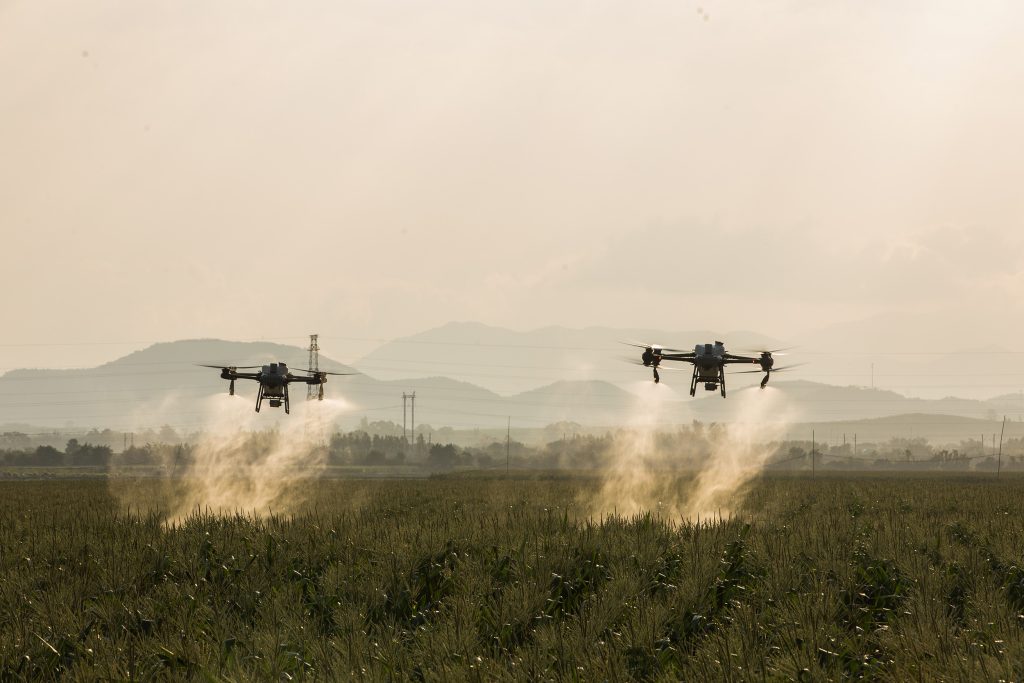
Drones play a pivotal role in implementing data-driven decision-making on farms by collecting, analyzing, and providing valuable insights that guide various aspects of agricultural operations.
Here’s how drones utilize data-driven decision-making in farming:
Data Collection: Equipped with advanced sensors, cameras, and other imaging technologies, drones gather a wide range of data from the fields. This includes high-resolution images, multispectral or hyperspectral data, thermal imagery, and even LiDAR scans. These data sets capture detailed information about crop health, soil conditions, topography, and more.
Remote Sensing: Drones provide a bird’s-eye view of the entire farm, capturing data from areas that might be challenging to access on foot or with traditional equipment. This comprehensive coverage enables farmers to monitor large expanses of land and identify potential issues more efficiently.
Real-Time Monitoring: Drones offer real-time data, allowing farmers to monitor their fields on an ongoing basis. This timely information helps detect changes and anomalies quickly, enabling rapid responses to emerging challenges such as pest outbreaks, diseases, or adverse weather conditions.
Crop Health Assessment: By analyzing multispectral and thermal data, drones can assess the health of crops. They can identify stress indicators, nutrient deficiencies, or disease symptoms before they become visible to the naked eye. This information enables farmers to address issues promptly and apply treatments where necessary.
Yield Estimation: Drones can be used to create accurate crop yield estimations by monitoring plant density, growth patterns, and other factors. This information aids in better forecasting and planning for harvesting and post-harvest operations. Zone Management: Drones facilitate precision agriculture by creating detailed maps that categorize different areas of the field based on their characteristics. This allows farmers to tailor their approach, adjusting irrigation, fertilization, and pesticide application according to the specific needs of each zone.
Environmental Monitoring: Drones help in assessing the impact of environmental factors such as water runoff, erosion, and soil moisture. This data aids in making decisions about implementing erosion control measures, optimizing irrigation practices, and managing water resources more efficiently.
Cost Efficiency: Data-driven decisions lead to more effective resource allocation. Farmers can optimize the use of fertilizers, pesticides, water, and labor based on the insights gained from drone-collected data. This reduces waste and operational costs while maximizing yields.
Historical Analysis: Over time, drones generate historical data that can be analyzed to identify trends and patterns across different growing seasons. This historical perspective helps farmers make informed decisions about crop rotation, soil management, and long-term planning.
Integration with Farm Management Software: Drones can seamlessly integrate with farm management software and Geographic Information Systems (GIS), allowing farmers to overlay drone-generated data with other relevant information.
This comprehensive approach enhances decision-making by providing a holistic view of the farm. In essence, drones enable farmers to gather timely and accurate data from their fields, transforming this data into actionable insights that guide various aspects of farming operations. By embracing data-driven decision-making with the help of drones, farmers can optimize resource utilization, increase productivity, and foster sustainable and resilient agricultural practices.